Explore Bangladesh: A Journey through its Rich Heritage
Introduction
Overview of Bangladesh's rich heritage
Importance of heritage in creating the nation's identity
A Brief History of Bangladesh
Ancient civilizations
Influence of different empires and rulers
Bangladesh's Cultural Diversity
Ethnic groups and their cultural practices
Traditions and customs across regions
Historic Sites in Bangladesh
H1: Paharpur Monastery
Architectural significance
Historical background
H1: Lalbagh Fort
Mughal architecture
Cultural relevance
UNESCO World Heritage Sites
The significance of Paharpur and the Sundarbans
Contribution to global heritage
Language and Literature
H2: Bengali Language
Origins and development
H2: Literary Contributions
Notable authors and poets
Music and Dance
Traditional Bengali music and instruments
Forms of dance across different regions
Art and Craftsmanship
H2: The Jamdani Weave
Historical roots and significance
H2: Terracotta Art
Popularity in ancient architecture
Religion and Festivals
H2: Islam as the Major Religion
Influence on the nation’s traditions
H2: Hinduism, Buddhism, and Other Religions
Coexistence and religious harmony
H2: Major Festivals
Celebration of Eid, Durga Puja, Pohela Boishakh, and more
Cuisine of Bangladesh
Traditional dishes and their cultural importance
Regional variations in food
Natural Wonders of Bangladesh
Sundarbans and Royal Bengal Tigers
Cox's Bazar, the world's longest sea beach
The Struggle for Independence
The role of heritage in the fight for independence
Key figures and events in Bangladesh's liberation war
Preservation of Heritage
Efforts in preserving historical monuments
Importance of conservation for future generations
Tourism in Bangladesh
How heritage and culture attract tourists
Emerging tourist destinations
Conclusion
Reflecting on the richness of Bangladesh’s heritage
Encouraging exploration of the country's history
FAQs
Why is Bangladesh’s cultural heritage important?
What are the must-visit heritage sites in Bangladesh?
How has religion shaped Bangladesh’s heritage?
What are some famous traditional crafts of Bangladesh?
Why should tourists explore Bangladesh’s heritage?
Explore Bangladesh: A Journey through its Rich Heritage
Introduction
Bangladesh, a land of vibrant culture, rich traditions, and deep history, offers a captivating glimpse into the heart of South Asia. Despite being a relatively young nation, Bangladesh boasts aheritage that stretches back thousands of years. From its ancient civilizations to its dynamic present, the country has been shaped by its unique history, blending the influences of empires, religions, and cultural movements. Exploring Bangladesh’s heritage is like taking a journey through time, where every corner reveals something new about its identity and resilience.
A Brief History of Bangladesh
The history of Bangladesh is layered with the legacies of various empires, from the Mauryan and Gupta dynasties to the Bengal Sultanate and the Mughal Empire. These civilizations left their mark through monumental architecture, literature, and a blend of religious traditions that shaped the country. Over time, Bangladesh became a melting pot of cultures, all contributing to its rich heritage.
In 1971, after a long and bloody struggle, Bangladesh gained independence from Pakistan, marking a new chapter in its history. The Liberation War is an integral part of the nation's identity, reflecting the spirit of resilience and freedom that has always been present in its people.
Bangladesh's Cultural Diversity
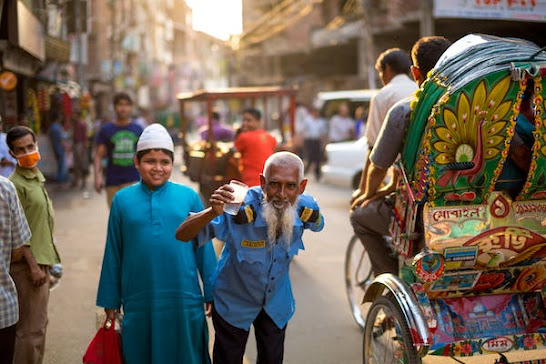
With over 160 million people, Bangladesh is home to a variety of ethnic groups, each with its own distinct customs, language, and traditions. The largest group is the Bengali people, but there are also indigenous groups such as the Chakma, Marma, and Santhal, who add to the cultural tapestry of the country. These diverse communities contribute to the vibrancy of Bangladesh's culture, where traditional dances, music, and rituals are performed throughout the year.
Historic Sites in Bangladesh
Paharpur Monastery
Paharpur, also known as Somapura Mahavihara, is one of the most important archaeological sites in Bangladesh. This ancient Buddhist monastery is recognized for its architectural brilliance and is a UNESCO World Heritage site. Built in the 8th century during the reign of the Pala dynasty, Paharpur was once a thriving center for Buddhist learning, attracting scholars from across Asia.
Lalbagh Fort
Located in Dhaka, Lalbagh Fort is a stunning example of Mughal architecture. Though incomplete, this 17th-century fort showcases the grandeur of the Mughal era with its intricate designs, gardens, and the impressive tomb of Pari Bibi. Today, Lalbagh Fort remains a popular tourist destination, offering a window into the Mughal influence on Bangladesh's history.
UNESCO World Heritage Sites
In addition to Paharpur, Bangladesh is home to other UNESCO World Heritage Sites, including the Sundarbans. This vast mangrove forest, the largest in the world, is home to the endangered Royal Bengal Tiger and countless other species of wildlife. The Sundarbans play a crucial role in the ecological and cultural fabric of Bangladesh, symbolizing the country's deep connection with nature.
Language and Literature
Bengali Language
The Bengali language, one of the richest and most expressive languages in the world, is a core part of Bangladesh’s cultural identity. It has its roots in the ancient Prakrit languages and has evolved over centuries to become the modern language spoken by millions today. The Bengali Language Movement of 1952, which led to the recognition of Bengali as the official language of Bangladesh, is a testament to its importance in the nation's history.
YOU WILL ALSO LIKE : China: A Comprehensive Overview of a Remarkable Nation
YOU WILL ALSO LIKE : Exploring the Vibrant Tapestry of India
Literary Contributions
Bangladesh has produced some of the most notable figures in South Asian literature, including the Nobel laureate Rabindranath Tagore and national poet Kazi Nazrul Islam. Bengali literature, from poetry to novels, reflects the rich cultural and political history of the region, often addressing themes of nationalism, identity, and the human condition.
Music and Dance
Traditional Bengali music, deeply influenced by spiritual and folk traditions, is an essential part of Bangladesh’s heritage. Baul music, known for its soulful lyrics and unique instruments like the ektara, is a beloved folk genre. Classical dance forms, such as the Manipuri and the indigenous dance styles of various ethnic groups, continue to be performed, preserving the artistic legacy of the region.
Art and Craftsmanship
The Jamdani Weave
Jamdani, a fine muslin fabric that dates back to the Mughal period, is one of Bangladesh’s most renowned handicrafts. Known for its intricate designs and luxurious feel, Jamdani weaving has been recognized by UNESCO as an Intangible Cultural Heritage of Humanity. The craftsmanship involved in creating these textiles reflects the deep-rooted artistic traditions of Bangladesh.
Terracotta Art
Terracotta art, commonly found in ancient temples and palaces, showcases the skill of Bangladeshi artisans. This form of decorative art reached its height during the Gupta and Pala periods, with intricately carved panels depicting stories from Hindu mythology and everyday life.
Religion and Festivals
Islam as the Major Religion
Islam is the predominant religion in Bangladesh, influencing many aspects of the nation's culture, architecture, and daily life. However, Bangladesh is also known for its religious tolerance, with large Hindu, Buddhist, and Christian communities living in harmony.
Major Festivals
Festivals are a vital part of Bangladeshi culture, with major celebrations like Eid al-Fitr, Durga Puja, and Pohela Boishakh (the Bengali New Year) drawing people from all walks of life together in joyous celebration.
Cuisine of Bangladesh
Bangladeshi cuisine is a reflection of its rich heritage, with influences from Mughal, Persian, and regional culinary traditions. Rice, fish, and lentils are staples, with dishes like biryani, pithas (rice cakes), and bhorta (mashed vegetables) being local favorites. Each region has its own unique flavors, adding to the culinary diversity of the country.
Natural Wonders of Bangladesh
The natural beauty of Bangladesh is as much a part of its heritage as its historic sites. From the lush mangroves of the Sundarbans to the golden sands of Cox's Bazar, Bangladesh offers breathtaking landscapes that attract tourists and nature lovers alike.
The Struggle for Independence
The Liberation War of 1971 is one of the most significant events in Bangladesh’s history. The struggle for independence from Pakistan not only gave birth to a new nation but also cemented the country’s cultural and national identity. Key figures like Sheikh Mujibur Rahman, the founding father of Bangladesh, played pivotal roles in this movement, and their legacy is honored throughout the nation.
Preservation of Heritage
Preserving Bangladesh's heritage is crucial for future generations to understand and appreciate the country’s history. Efforts are being made by both the government and private organizations to protect historic monuments, promote cultural tourism, and ensure that the country's rich legacy is not forgotten.
Tourism in Bangladesh
Bangladesh’s rich cultural and historical heritage makes it an emerging destination for cultural tourism. The country's ancient ruins, traditional festivals, and natural beauty offer an unforgettable experience for travelers seeking to explore South Asia's hidden gem.
Conclusion
Exploring Bangladesh’s heritage is like opening a treasure chest of history, culture, and natural beauty. From ancient temples and Mughal forts to vibrant festivals and mouth-watering cuisine, Bangladesh offers a journey through time that is both enriching and exhilarating. Whether you're a history buff, a foodie, or a nature lover, Bangladesh has something unique to offer every traveler.
"Support us by sharing this blog or buying us a coffee — it helps us keep exploring the world for you!”
FAQs
1. Why is Bangladesh’s cultural heritage important ?
Bangladesh’s cultural heritage is vital because it reflects the nation's history, diversity, and identity, connecting its people to their roots and traditions.
2. What are the must-visit heritage sites in Bangladesh ?
Some must-visit sites include the Paharpur Monastery, Lalbagh Fort, the Sundarbans, and the ancient city of Mahasthangarh.
3. How has religion shaped Bangladesh’s heritage ?
Religion, especially Islam, has greatly influenced Bangladesh’s architecture, festivals, and traditions, while other religions like Hinduism and Buddhism have also contributed to the cultural diversity.
4. What are some famous traditional crafts of Bangladesh ?
Famous crafts include the Jamdani weave, terracotta art, and Nakshi Kantha (embroidered quilts), all reflecting the country's rich craftsmanship.
5. Why should tourists explore Bangladesh’s heritage ?
Tourists should explore Bangladesh’s heritage to experience its rich history, diverse culture, natural wonders, and the warm hospitality of its people.


.png)


.jpg)


Comments
Post a Comment