A Journey Through France: Exploring Its Rich Culture, History,and Landscapes
Introduction
Brief overview of France's cultural and historical significance
What makes France unique for travelers?
The Vibrant Culture of France
French language and its influence
Art, fashion, and cinema
French cuisine: A global treasure
A Deep Dive into French History
France in the Middle Ages
The Renaissance period and French monarchs
French Revolution and its impact on modern Europe
Iconic Cities of France
Paris: The heart of French culture
Lyon: Culinary capital
Marseille: A melting pot of cultures
Exploring French Architecture
Gothic cathedrals
Renaissance chateaux
Modern architectural marvels
The Breathtaking French Countryside
The lavender fields of Provence
Vineyards of Bordeaux and Burgundy
The rugged beauty of Corsica
The French Riviera: Luxury and Charm
Famous coastal towns: Nice, Cannes, and Saint-Tropez
The allure of Mediterranean beaches
The Natural Wonders of France
The Alps and skiing adventures
The forests of Fontainebleau
The stunning cliffs of Étretat
France’s Festivals and Traditions
Bastille Day celebrations
The Cannes Film Festival
Christmas markets in Alsace
Famous French Monuments
Eiffel Tower
Notre-Dame Cathedral
Mont Saint-Michel
French Cuisine: More Than Just Food
The art of the French meal
Regional specialties: From baguettes to bouillabaisse
Wine and cheese culture
Experiencing the French Lifestyle
Café culture in France
The art of "joie de vivre"
Slow living in French villages
The Influence of France on Global Art and Fashion
Famous French painters and artists
Paris Fashion Week: The pinnacle of global fashion
French cinema and its global footprint
Tips for Traveling Across France
Best times to visit
How to travel like a local
Essential French phrases for tourists
Conclusion
Why France should be on everyone’s travel bucket list
Final thoughts on the diverse experiences awaiting in France
A Journey Through France: Exploring Its Rich Culture, History, and Landscapes
Introduction
France, a country of art, romance, and beauty, has long been a symbol of elegance and refinement. From the rolling vineyards of Bordeaux to the sophisticated streets of Paris, France offers a rich tapestry of culture, history, and landscapes that beckon travelers from across the globe. Whether you're drawn to its storied past, diverse geography, or mouth-watering cuisine, a journey through France promises an unforgettable experience.
The Vibrant Culture of FranceWhen it comes to culture, France stands out for its influence on the world stage. The French language, considered one of the most beautiful, has been a bridge for diplomacy, art, and literature. French art, from the classical painters like Monet to the modern fashion scene dominated by designers like Chanel, speaks to the nation’s creative soul. Moreover, French cinema, with its distinctive flair, has enchanted global audiences for decades.
One cannot mention French culture without discussing its cuisine. French food is synonymous with sophistication, but it’s more than just fancy dishes. From the everyday baguette to the elaborate multi-course meals, French gastronomy is about savoring life, one bite at a time.
A Deep Dive into French History
France’s history is as rich and varied as its culture. In the Middle Ages, France played a crucial role in shaping European politics, with its powerful monarchs and formidable castles. The Renaissance period saw France flourishing with artistic and intellectual growth, much of it thanks to kings like François I, who patronized the arts.
Perhaps no event in French history has had as profound an impact as the French Revolution. The Revolution not only transformed France into a republic but also changed the course of European history, igniting revolutionary movements across the continent.
Iconic Cities of France
No visit to France would be complete without exploring its iconic cities. Paris, the capital, is a city that needs no introduction. From the Louvre to the Eiffel Tower, it’s a place where history and modernity coexist seamlessly.
Lyon, often hailed as the culinary capital of France, offers a more intimate, gastronomic experience. Meanwhile, Marseille, with its Mediterranean vibe, showcases France’s diverse cultural fabric.
Exploring French Architecture
France’s architectural heritage is a sight to behold. The soaring Gothic cathedrals, like the famous Notre-Dame de Paris, are testaments to the nation's artistic genius. Renaissance chateaux such as Château de Chambord in the Loire Valley offer glimpses into the opulent lifestyles of French royalty. Modern-day France continues to innovate in architecture, as seen in the sleek lines of the Fondation Louis Vuitton in Paris.
The Breathtaking French Countryside
Beyond the cities, France’s countryside is a dream come true for nature lovers. The purple lavender fields of Provence, stretching as far as the eye can see, are an iconic image of rural France. In the wine regions of Bordeaux and Burgundy, visitors can sip world-renowned vintages while taking in the picturesque vineyards.
If you're seeking a more rugged experience, Corsica's mountainous terrain and wild coastline provide an untamed beauty that contrasts with the mainland's more serene landscapes.
The French Riviera: Luxury and Charm
The French Riviera, is synonymous with luxury and glamour. From the exclusive resorts of Saint-Tropez to the cosmopolitan charm of Nice, this region is the playground of the rich and famous. The Mediterranean beaches, with their azure waters, provide the perfect backdrop for a relaxing holiday.
The Natural Wonders of France
For outdoor enthusiasts, France has much to offer. The towering peaks of the French Alps are perfect for skiing, while the forests of Fontainebleau near Paris are ideal for hiking. The dramatic cliffs of Étretat on the Normandy coast are a must-see for nature photographers.
France’s Festivals and Traditions
French traditions and festivals are an essential part of the country’s identity. Bastille Day, celebrated on July 14, is France’s national holiday, marked by fireworks, parades, and public celebrations. TheCannes Film Festival, held annually, is a prestigious event that draws Hollywood’s elite to the French Riviera. In winter, the Christmas markets in Alsace offer a fairy-tale atmosphere with festive stalls and mulled wine.
YOU WILL ALSO LIKE : Germany: Exploring the Richness of Culture, History, and Landscapes
YOU WILL ALSO LIKE : Explore the United States: A Land of Opportunity
Famous French Monuments
France is home to some of the world’s most recognizable monuments. The Eiffel Tower in Paris is an enduring symbol of the city, while Notre-Dame Cathedral, despite the 2019 fire, remains an iconic representation of French Gothic architecture.
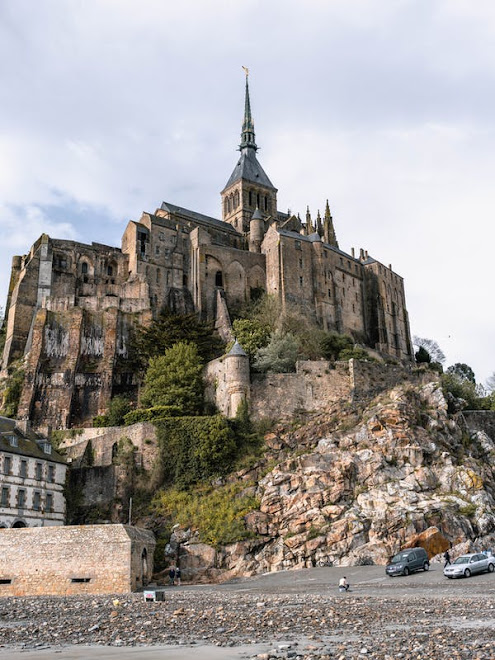
Mont Saint-Michel, an island commune in Normandy, is a sight to behold with its dramatic positioning against the tides.
French Cuisine: More Than Just Food
French cuisine is an art form. Whether it’s a simple croissant or an elaborate feast, food in France is about appreciating flavor and craftsmanship. Every region has its specialties, from the seafood bouillabaisse in Marseille to the decadent pastries of Paris. Wine and cheese, staples of French dining, are revered, with each region producing its own unique varieties.
Experiencing the French Lifestyle
The French lifestyle revolves around enjoying life’s simple pleasures. In France, café culture is sacred, with locals spending hours sipping coffee and watching the world go by. The French also excel at the art of “joie de vivre,” or the joy of living, often embodied in their leisurely pace and appreciation for quality over quantity.
The Influence of France on Global Art and Fashion
France has been a leader in the arts for centuries. Artists like Monet, Degas, and Renoir shaped the course of modern painting. Paris is also the fashion capital of the world, with Paris Fashion Week being the highlight of the global fashion calendar. French cinema, too, continues to make waves internationally, with films that capture the country’s essence.
Tips for Traveling Across France
When planning a trip to France, timing is key. The best times to visit are spring and fall when the weather is mild, and the crowds are thinner. To experience France like a local, consider traveling by train—it’s efficient and scenic. And don’t forget to learn a few essential French phrases. Even a simple "bonjour" can go a long way in enhancing your travel experience.
Conclusion
France is a country that captivates every sense. Its rich history, vibrant culture, stunning landscapes, and culinary delights make it a must-visit destination. Whether you're exploring the bustling streets of Paris or the tranquil vineyards of the countryside, every corner of France offers something new and enchanting.
"Support us by sharing this blog or buying us a coffee — it helps us keep exploring the world for you!”
FAQs
What is the best time to visit France?
The best times to visit France are during the spring (April to June) and fall (September to November), when the weather is pleasant and the tourist crowds are fewer.
What are the must-see landmarks in France?
Iconic landmarks include the Eiffel Tower, Notre-Dame Cathedral, Mont Saint-Michel, and the Palace of Versailles.
What is France famous for in terms of food ?
France is famous for its bread (baguettes),cheese, wine, croissants, and dishes like coq au vin and ratatouille.
How can I travel around France ?
The best way to travel around France is by train, which connects most major cities and scenic regions. Renting a car is also a great option for countryside exploration.
Is it necessary to learn French before visiting ?
While not necessary, learning basic French phrasescan greatly enhance your experience and help you communicate better with locals.


.png)




.jpg)


Comments
Post a Comment